

When you think about the brands you trust most, chances are they have at least one thing in common: consistency. Whether you see their logo on a billboard, read their social media posts or receive an email from them, everything feels cohesive. That consistency isn’t accidental. It’s intentional and it’s powered by a tool every small business should have: a brand style guide.
A brand style guide is more than a document. It’s the foundation for how your business shows up in the world—visually, verbally and emotionally. For small businesses competing in crowded markets, a style guide is one of the simplest ways to elevate professionalism, build trust and streamline marketing efforts. Even if your team is small, your branding doesn’t have to play small. If you’ve ever felt like your marketing looks “all over the place” or if different team members create materials that don’t quite match, this post is for you.
What Is a Brand Style Guide?
A brand style guide is a reference document that outlines how your brand should look, sound and feel across all communication channels. It ensures that whether you’re designing a flyer, posting on social media or writing a proposal, your brand shows up in the same way, helping to build recognition for your business.
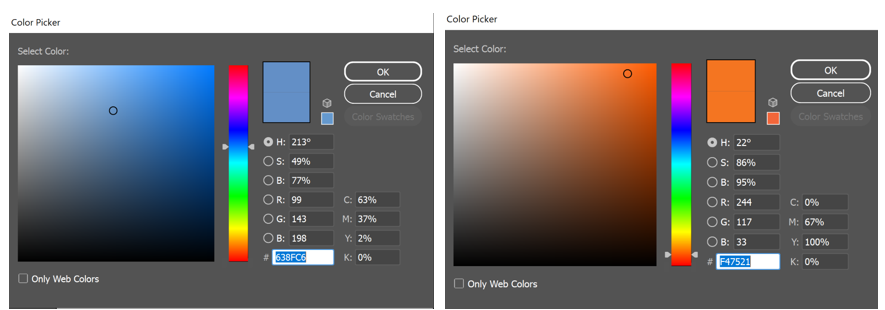
A strong style guide typically includes:
- Logo usage (primary color palette accent color(s) with the color codes spelled out, fonts to use in various file formats)
- Typography (approved fonts for headlines, body text, and digital use)
- Imagery guidelines (photography style, illustration style, DOs and DON’Ts, as well as whether or not your company allows stock photography to be purchased by employees and if free stock photos are allowed.)
- Brand voice and tone (how your brand speaks: does your company take an authoritative tone or more educational? Is it technical speak or more conversational?)
- Messaging pillars (core themes or value propositions)
- Examples of correct and incorrect usage
Think of it as your brand’s rulebook, providing clear, simple and easy guides for anyone to follow.
Why Small Businesses Need a Brand Style Guide
First, it builds trust through consistency. Customers trust what they recognize and are familiar with. When your brand looks different from one touchpoint to the next, it creates friction. People may wonder if they’re dealing with the same business or worse, whether your business is reliable. A company that doesn’t care enough to get its “ducks in a row” hints that it may not care enough about its customers either.
A style guide ensures your colors match across print and digital. An important caveat here is that different printers will produce slightly different hues. The type of paper you print on also influences how your brand colors appear. You can even see differences in logo colors from one display to the next, or in a room with a lot of natural light versus a space with commercial, overhead lighting. This is another reason to use the same color codes, so you know the right colors are being used.
We have some clients that are true brand ambassadors and even pay a slightly higher price to have their brand colors printed exactly and on the same type of business card paper year over year. This also ensures your logo is always used correctly and your visuals feel cohesive, no matter who creates or presents them. Consistency builds credibility.
Next, a brand style guide saves time and money. Without it, every new marketing piece becomes a guessing game. Designers ask for clarification. Writers ask about tone. Team members create materials that need to be redone. Imagine two representatives from your organization showing up at an important prospect’s location and presenting two business cards that clearly look like they were done by different people.
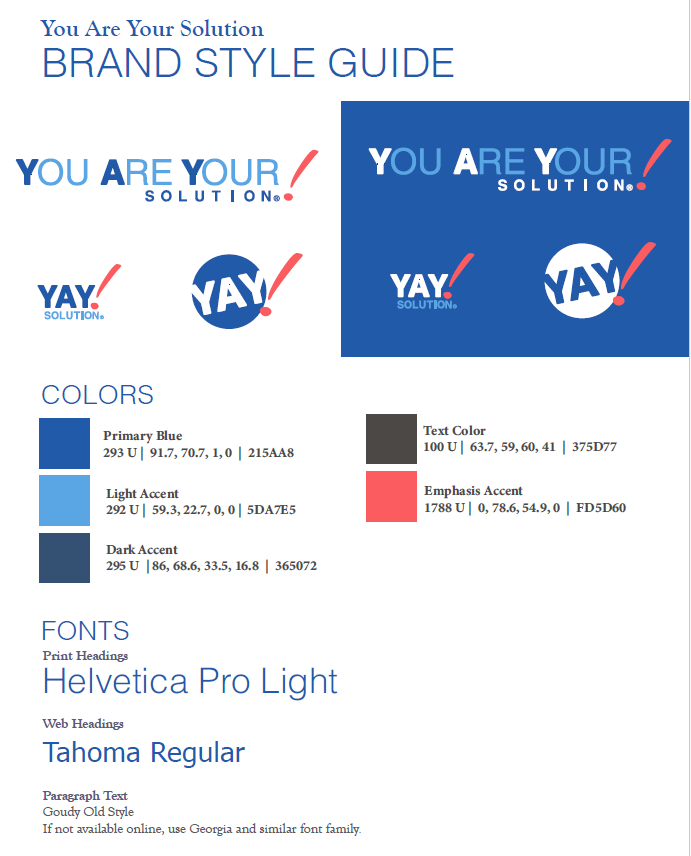
We recently encountered a real example where we were quite thankful for a client’s brand style guide. You Are Your Solution!™ had its logo created by a graphic designer before we met the owner. Fortunately, the previous designer assembled the following Brand Style Guide, which came in handy when we learned the client only had low-resolution versions of the logo that wouldn’t be suitable for printing on products. Our own graphic designer leveraged the following details and created the high-resolution logos that have since be added to products for sale.
In contrast, a style guide eliminates a lot of back and forth. With this one file, you can bring new hires up to speed faster with clear expectations about your brand and how it should be used. Freelancers produce on brand work the first time, even if they haven’t spent much time working with you. You also avoid costly redesigns and streamline approvals. For small businesses with limited time and resources, this efficiency is invaluable.
It strengthens your brand identity. Your brand is much more than a logo. Your brand is the emotional connection people have with your business. A style guide helps you define and protect that. It clarifies what your brand stands for, how you want customers to feel and what makes you different. Your visuals and voice reinforce your values. When your brand identity is clear, your marketing becomes more powerful and more memorable.
Your style guide also improves collaboration between partners and vendors. Whether you work with a marketing agency, freelance designer, internal marketing associate or even an external promotional products company for event chotchkes, a style guide keeps everyone aligned. Instead of explaining your brand from scratch each time, you simply share the guide. It becomes the single source of truth for all creative work. Consider how helpful this can be when planning and executing seasonal campaigns, event materials, website updates, social media content, customer newsletters and press releases.

It can help future-proof your marketing. No, it’s not a magic bullet but provides guardrails. As your business grows, your marketing needs will evolve. A brand style guide ensures your brand stays cohesive even as you expand into new channels, hire new team members or launch new products. It also makes rebranding easier. When you know what’s working and what isn’t, you can update your guide strategically rather than haphazardly.
How to Get Started
If you don’t have a brand style guide yet, start small. You don’t need a 40-page document. Even a 3-page guide can dramatically improve consistency. Start by gathering your existing marketing materials. Identify what feels most “on brand.” Choose your core colors and fonts. Document these as well as any logo variations (such as when your team will spell out the full company name versus when they can use the acronym). Write a short description of your brand voice. Save everything in a shareable PDF or folder or (like we do) in Microsoft OneNote®.
As your business grows, you can expand the guide. (You can also contact us to jumpstart your efforts.)
A brand style guide isn’t just for big companies with big budgets. It’s one of the most powerful tools a small business can use to look polished, communicate clearly and show up professionally before customers and prospects. When your brand is consistent, your marketing becomes easier and more effective. That’s a boon for every small business.











Leave A Comment